
Plant-Based Dairy
Oat milk, soy milk, almond milk, plant-based yoghurts, cheeses, creams, and ice creams

Natural vitamin and mineral fortification for plant-based dairy manufacturers
Plant-based dairy customers chose plant for a reason. The whole point of switching from cow’s milk is to avoid industrial dairy - so fortification needs to match. Synthetic calcium carbonate, bacterial-fermentation B12, and lanolin-derived D3 (sheep wool grease) all undermine the values-led purchase that built the category.
BIOVIT supplies plant-derived equivalents across the four nutrients cow’s milk delivers naturally and plant-based dairy must replace - Vitamin D from lichen, Calcium from marine algae, B12 from shiitake mushroom, and Iodine from seaweed. Heat-stable through UHT and pasteurisation, with overage calculations per processing route from Eiméar.
Samples available on request. Reformulation support included with every order.
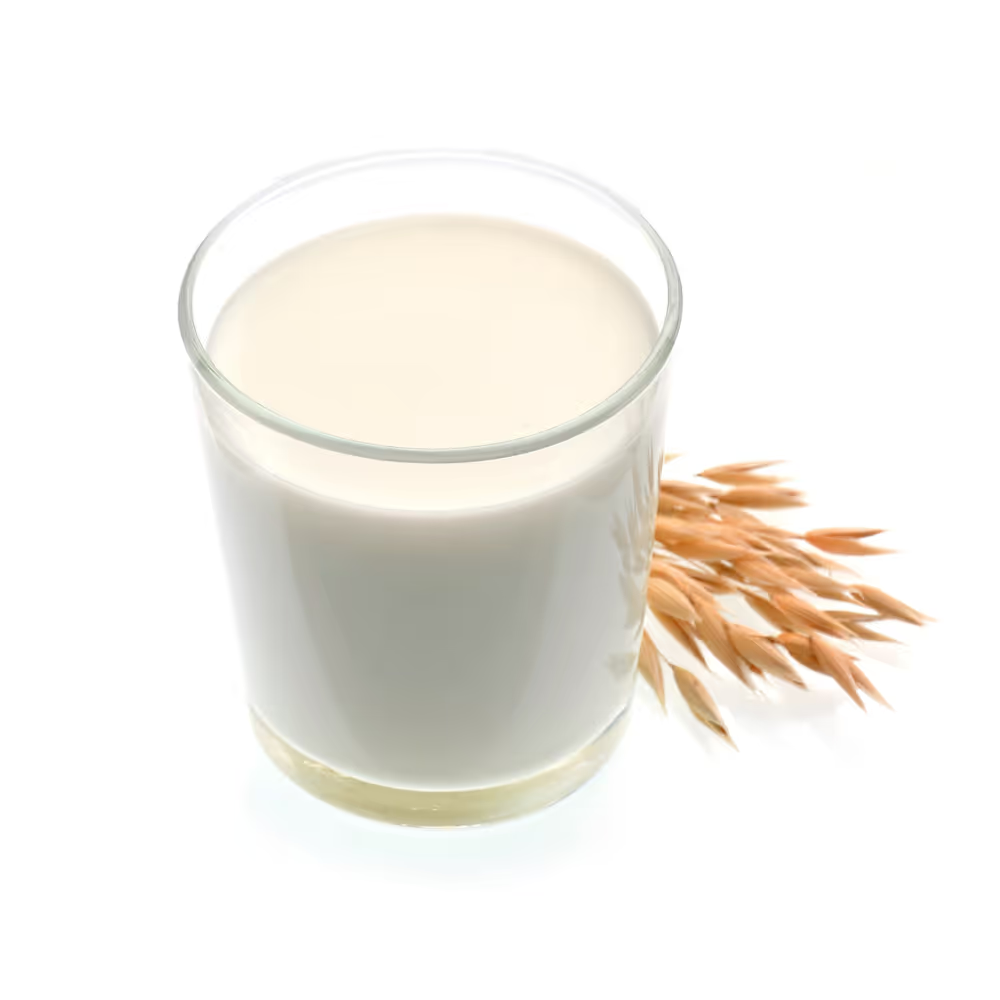
Format Specification
The four nutrients cow’s milk naturally delivers - Vitamin D, Calcium, B12, and Iodine - are the four most plant-based dairy brands fortify with. BIOVIT supplies all four from genuinely plant-derived sources, closing the credibility gap between the front-of-pack natural positioning and the synthetic vitamin declarations most brands still carry.
Match the values behind your plant-based positioning
Samples dispatched within a week. Reformulation support included.
Natural ingredients built for the plant-based dairy aisle
Three single-ingredient picks that close the loop between plant-based positioning and back-of-pack credibility. Each replaces the most common synthetic version found in plant-based milks with a recognisable plant source.
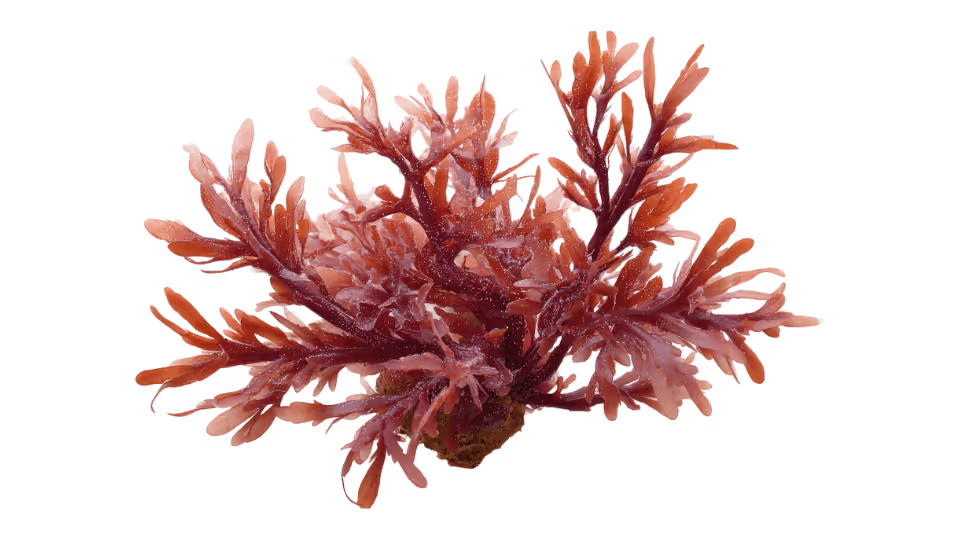
Calcium (marine algae)
Marine algae Calcium replaces synthetic calcium carbonate. Delivers cow’s-milk-equivalent calcium levels from a recognisable plant source, with trace magnesium as a bonus.

Vitamin B12 (shiitake)
Shiitake-derived B12 replaces bacterial-fermentation cyanocobalamin. A plant source for the nutrient cow’s milk naturally delivers and plant-based dairy must replace.
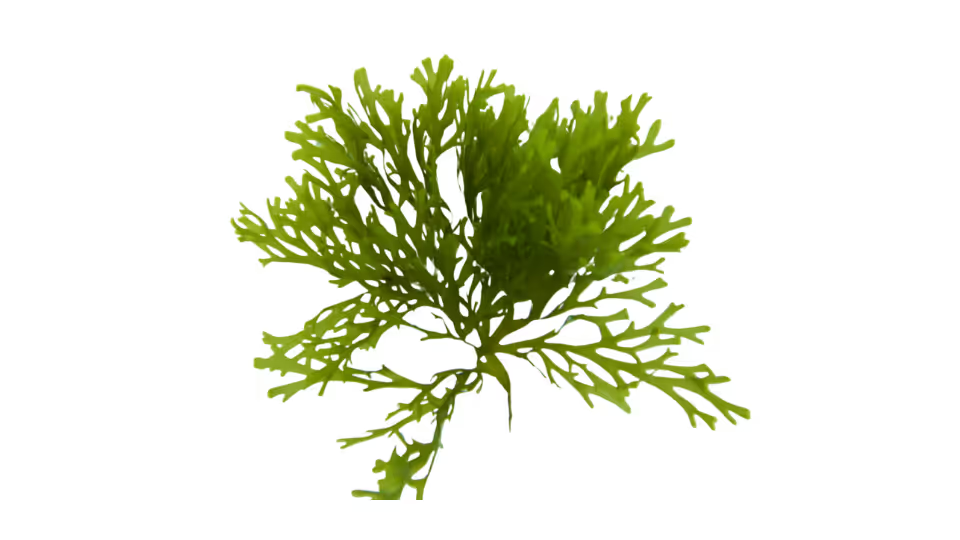
Iodine (seaweed)
Seaweed-derived Iodine fills the most documented nutritional gap in plant-based milk versus cow's milk. Unfortified plant milks are a recognised contributor to low iodine intake in the UK plant-milk audience.
Three formulation-ready premixes for plant-based dairy brands
BIOVIT blends mapped onto the commercial positions plant-based dairy brands compete on - cow’s milk equivalent multivitamin coverage, full nutritional breadth for premium ranges, and the women’s positioned ranges driving premium category growth.

BIOVIT Daily Support Premix Blend
Eight-nutrient base built around the cow’s-milk-equivalence claim that defines plant-based dairy. Covers Vitamin D, Calcium, B12, Iodine, and the supporting micronutrient set in a single inclusion - the default fortification spec for mainstream oat, soy, and almond milks.

BIOVIT Broad Spectrum Blend
Multi-nutrient breadth for premium and full-nutrition plant-based dairy ranges where the brand is selling complete nutritional coverage rather than a single-claim positioning. Stable through UHT with calculated overages.

BIOVIT Women’s Health Blend
Built for women’s-positioned plant-based dairy ranges covering hormonal, energy, beauty, and bone health - the audience driving premium category growth, and the segment most likely to pay a premium for cleaner ingredient declarations.
Frequently asked questions
Practical answers to the questions buyers and formulators ask most when specifying natural fortification for plant-based dairy - vegan sourcing, UHT processing, format coverage, and bespoke blend development.
Yes. BIOVIT’s D3 is from lichen - a plant-derived source. Most commercial “vegan” D3 on the market is from lanolin, which is extracted from sheep’s wool grease. Lanolin D3 is technically vegetarian but not vegan, and the distinction matters increasingly for premium plant-based dairy brands carrying vegan certification.
Yes. UHT at 135-150°C is within the BIOVIT stability range with calculated overages. Stability profiles are established through RSSL and Eurofins, with Eiméar tuning the overage calculation per product, pack format, and target shelf life.
Yes. Marine algae Calcium (sourced from Lithothamnion) is a direct replacement for synthetic calcium carbonate - delivering cow’s-milk-equivalent calcium levels from a plant-derived source, with trace magnesium and other minerals as a natural bonus.
Most commercial B12 (synthetic cyanocobalamin) is produced via bacterial fermentation in industrial conditions. BIOVIT B12 is from shiitake mushroom - a recognisable plant source that declares as “shiitake mushroom extract” on pack rather than a chemical code.
Vitamin D3 (lichen), Calcium (marine algae), and B12 (shiitake) are the three single ingredients most relevant to the category. Daily Support, Broad Spectrum, and Women’s Health are the three formulation-ready blends. The cards above cover all six.
Yes. Where the off-the-shelf blends above don’t map cleanly onto your range - children’s plant milks, sport-positioned ranges, fermentation-specific yoghurt profiles - Eiméar formulates bespoke premixes per project and format.
Single ingredients: 1 kg MOQ with an approximate 1-week lead time. Premix blends: 5 kg MOQ with an approximate 4-week lead time. Samples available on request - contact the team to specify quantity and shipping arrangements.